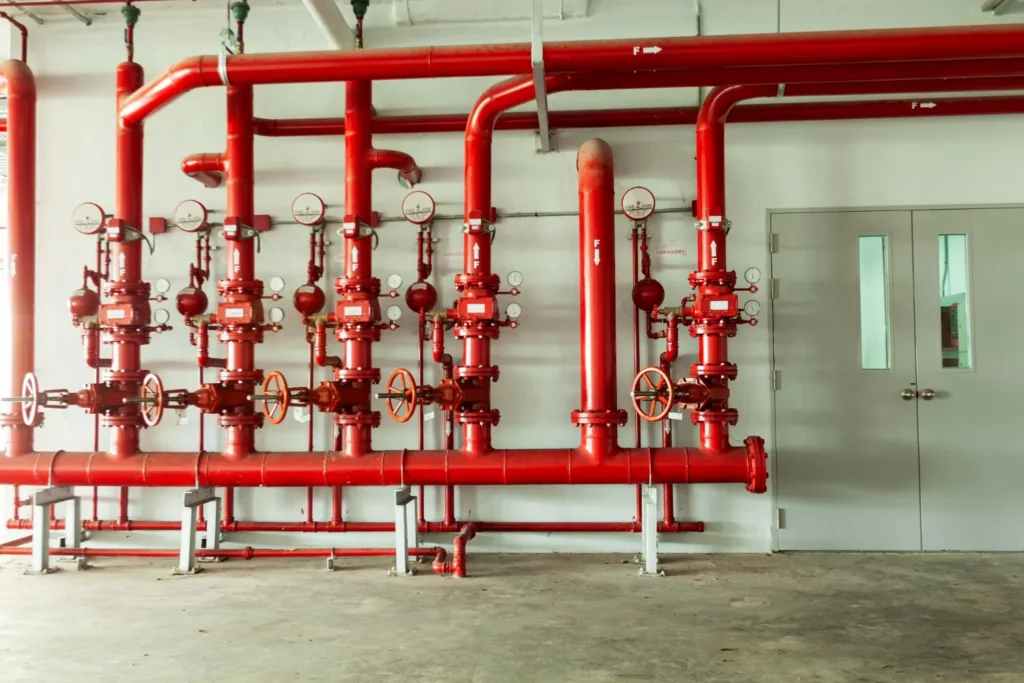
Industrial fires usually stem from overlooked hazards like overloaded electrical systems, overheating machinery, combustible dust, or poorly stored chemicals. Once ignited, fire spreads rapidly through closed factories and warehouses, a major threat highlighted by U.S. and UK data showing nonresidential buildings and electrical distribution as primary sources of structural fire losses.
This risk escalates sharply during unattended hours, such as night shifts, weekends, and holiday shutdowns. Conventional safety measures like manual extinguishers and late-activating sprinklers leave dangerous gaps when no staff is present to respond quickly.
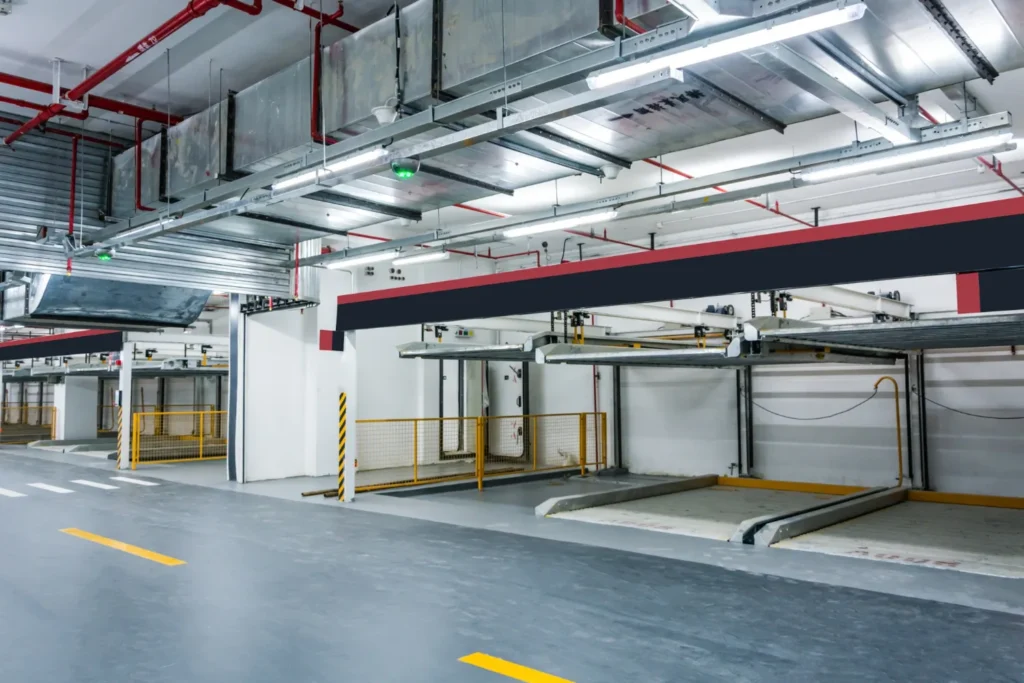
From electrical panels to storage racks, the risk lives in the parts of the plant no one is watching around the clock.
Short circuits, loose connections and overheating components make panel rooms one of the most common origins of industrial fire.
Friction, overheating motors, hydraulic oil leaks and lubricant residue turn continuously running equipment into a steady fire risk.
Flammable liquids, solvents and reactive chemicals can escalate a small spark into a fast moving, high intensity fire.
Packaging, cardboard, textiles and dense stock provide fuel that lets a fire spread through an entire storage bay in minutes.
High temperature equipment, steam lines and fuel storage create constant heat exposure inside a compact space.
Forklifts, fuel handling and stacked outgoing stock combine vehicle risk with storage risk at the busiest point of the facility.
Key Benefits
Acts on a confirmed fire within seconds, while it is still small enough to control.
Keeps working through night shifts, weekends and shutdowns, when no operator is present to react.
Keeps a fire local to one zone, so production, stock and equipment losses stay contained.
Sensors watch for heat and flame in panels, machinery bays and other risk zones. Infrared flame sensing and rate of rise heat sensing work together, so a real fire is identified early.
When the system confirms a fire, it activates on its own. A manual release is also available, so a trained person can trigger it by hand if needed.
Suppressant is released at the seat of the fire rather than across the whole area, so the response is fast and the volume used stays low.
Connected alerts reach responsible personnel through the app, SMS and email when a fire event, discharge, low battery or system fault occurs.
We are not a traditional fire extinguisher company. We engineer autonomous suppression systems, a fundamentally different category of fire protection technology.
One autonomous approach, engineered to the fire risk of each facility type.
Fabric dust, lint build up and high heat processing create a fuel load that ignites easily.
Recommended
A suppression system is only as good as its last inspection. These six practices decide whether protection still works on the day it is finally needed.
List the ignition sources, the fuel load and the hours each area is left unattended. Placement decisions follow from that, not from a product catalogue.
A cabinet, a machine and a storage bay each fail differently. The technology should suit the space rather than the building as a whole.
Detection position and nozzle aim decide performance. Record the installed design, so anyone servicing it later knows what it was meant to protect.
Visual checks, functional tests, agent and pressure checks, and a full service by a competent person. Follow the manufacturer instructions and the standard that applies where you operate.
Staff should know what an alert means, who responds, when to evacuate and when to leave the fire to the system and the fire service.
Insurers and regulators ask for evidence of servicing. Revisit the assessment whenever the layout, process or storage on site changes.
Whether you run a single production site or manage facilities across several locations, The Fire Knight can help you evaluate your facility fire risk profile and identify an appropriate protection strategy.